Wastewater can be broadly categorized based on its origin and chemical composition, which dictates the required treatment technology:
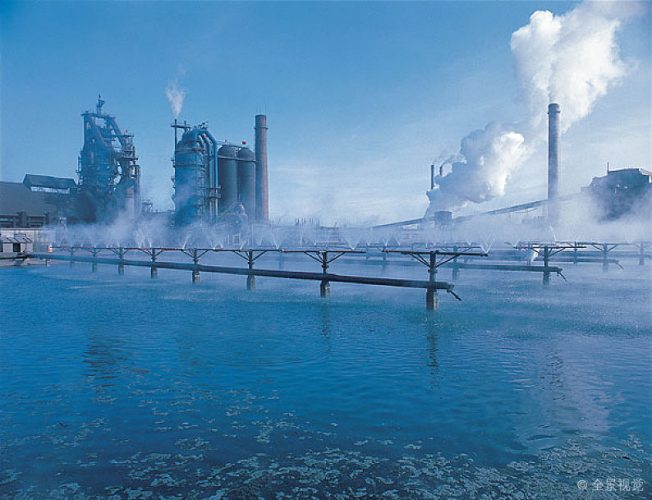
Industrial Wastewater
This refers to water and liquid waste discharged during industrial production processes. It contains raw materials, intermediate products, and by-products lost during manufacturing, along with various pollutants generated throughout the process. Due to its complex chemical makeup, industrial wastewater is a primary driver of environmental degradation, particularly water pollution.
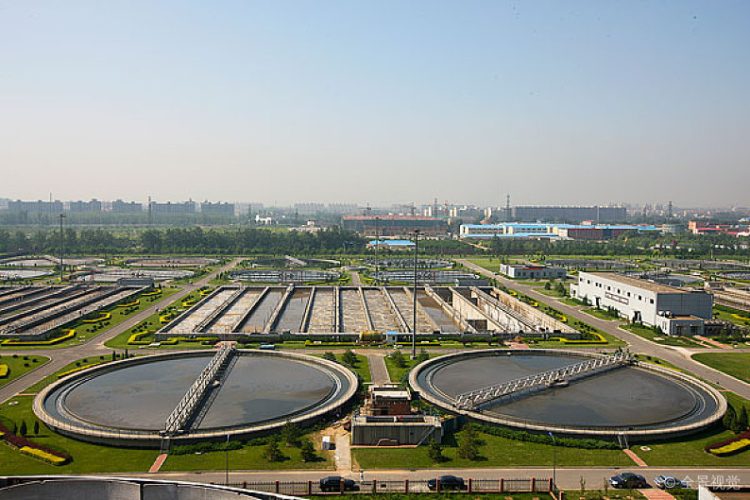
Municipal & Domestic Sewage
Municipal sewage primarily originates from domestic activities and human life. Domestic sewage is the wastewater discharged from residential and public buildings, such as houses, offices, schools, hospitals, and commercial areas. It mainly consists of organic waste and human excreta, including greywater from kitchens, showers, and laundry, as well as blackwater from toilets.
- Industrial Wastewater
- Municipal & Domestic Sewage
- Reclaimed Water ReuseTab Title
The Challenge: Complex Pollutants & Environmental Risks
Industrial wastewater is a primary driver of water pollution, containing complex mixtures of raw materials and production by-products.
- High Toxicity: Contains lost production materials and intermediates that are hazardous to ecosystems.
- Complex Composition: Fluctuating chemical makeup makes standard treatment ineffective.
- Regulatory Pressure: Stringent discharge standards require advanced technologies to avoid heavy fines.
The Conclusion
“Effective industrial wastewater treatment is not just a compliance requirement—it is a critical safeguard for sustainable production and environmental protection.”
Our Solution: Advanced Industrial Purification
We provide integrated systems designed to remove specific industrial pollutants, ensuring stable discharge and supporting Zero Liquid Discharge (ZLD) goals.
The Challenge: Organic Waste & Pathogen Control
Municipal sewage originates from daily activities in residential and public facilities, carrying a high load of organic waste.
- Biological Load: High concentrations of household waste and metabolic by-products.
- Greywater & Blackwater: Complex flows from kitchens, laundries, and sanitation systems.
- Public Health: Presence of pathogens and bacteria requires high-level disinfection.
The Conclusion
“Transforming urban sewage into reusable water resources is key to solving water scarcity and maintaining public hygiene standards.”
Our Solution: High-Efficiency Biological Treatment
Utilizing high-performance MBR (Membrane Bioreactor) and specialized biological processes to produce high-quality reclaimed water from domestic sources.
The Challenge: Water Scarcity & Resource Waste
Discharging treated wastewater without reuse leads to a significant loss of valuable water resources.
- High Water Costs: Relying solely on freshwater for industrial cooling or irrigation is increasingly expensive.
- Environmental Impact: Continuous groundwater extraction causes ecological imbalance.
- Zero Discharge Demands: More regions now require industrial facilities to recycle water to meet environmental quotas.
The Conclusion
“Wastewater should not be viewed as waste, but as a valuable ‘second source’ of water that is essential for a circular economy.”
Our Solution: Advanced Water Recycling Systems
We implement Ultrafiltration (UF) and Reverse Osmosis (RO) technologies to transform effluent into high-quality reclaimed water for cooling, irrigation, and industrial processes.
Industrial Wastewater Treatment System
General Purpose · Physicochemical + Biological Process · Discharge to Standard / Reuse
Municipal & Domestic Wastewater Treatment
A²/O Biological Nutrient Removal Process · Discharge Class 1A / Reuse Standard