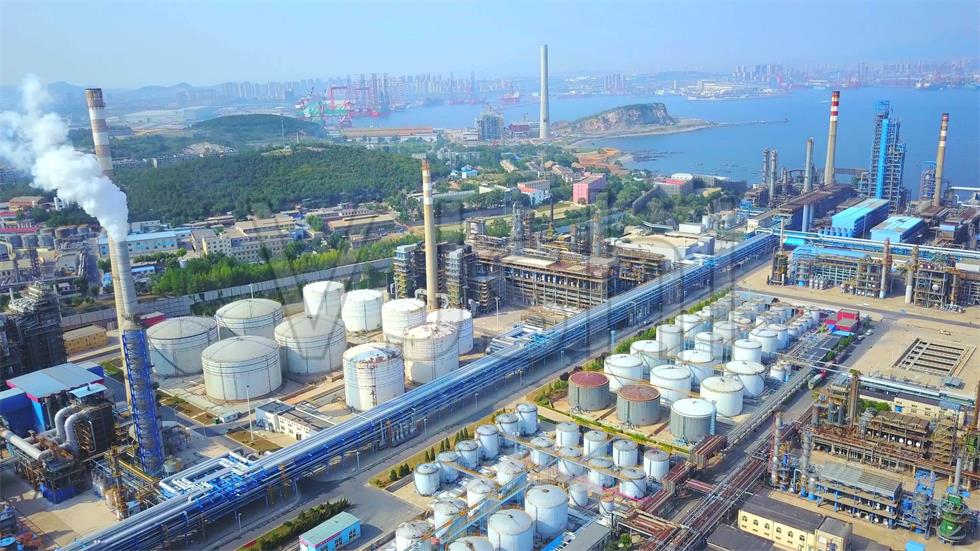
The chlor-alkali chemical industry, also known as the chlor-alkali industry, refers to the industrial process of producing sodium hydroxide (NaOH), chlorine (Cl₂), and hydrogen (H₂) by electrolyzing a saturated sodium chloride (NaCl) solution (brine). These products serve as fundamental raw materials for manufacturing a wide range of chemical products; this sector is known as the chlor-alkali industry.
The chlor-alkali industry is one of the most basic and essential branches of the chemical industry. It is widely applied in the chemical industry, light industry, textile industry, metallurgical industry, petrochemical industry, and public utilities.
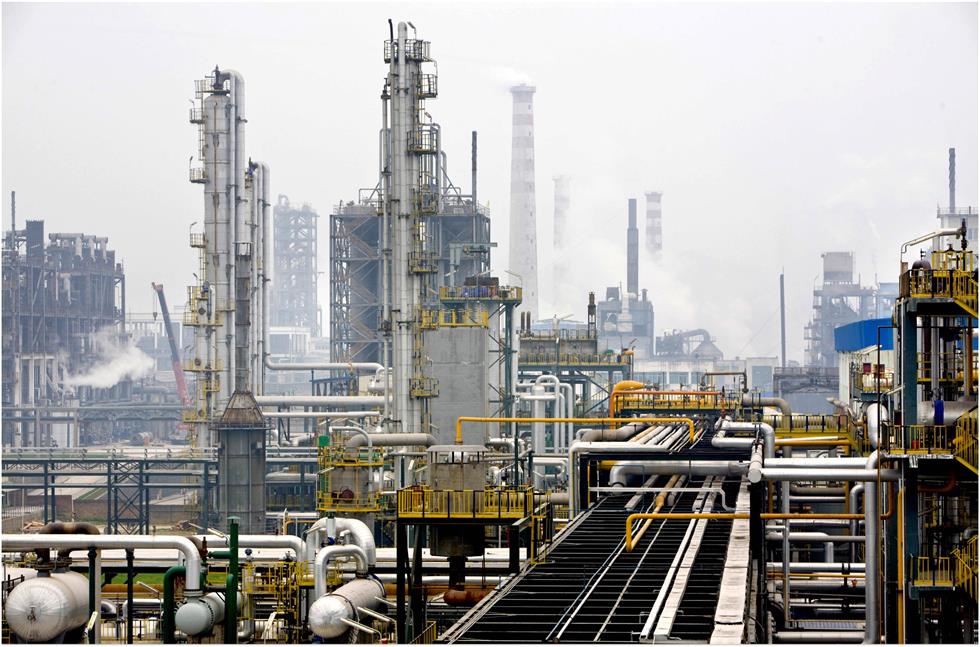
Coal chemical industry refers to the process of using coal as a raw material and converting it into gaseous, liquid, and solid fuels as well as chemical products through chemical processing. It mainly includes coal gasification, coal liquefaction, dry distillation (carbonization), as well as tar processing and calcium carbide–acetylene chemical production.
The chemical processing of coal is based on the structure of organic matter in coal. The organic structure of coal consists primarily of aromatic polycyclic ring systems as core units, interconnected by bridge bonds and carrying various functional groups, forming a complex macromolecular structure. Through thermal processing and catalytic processing, coal can be converted into a variety of fuels and chemical products.
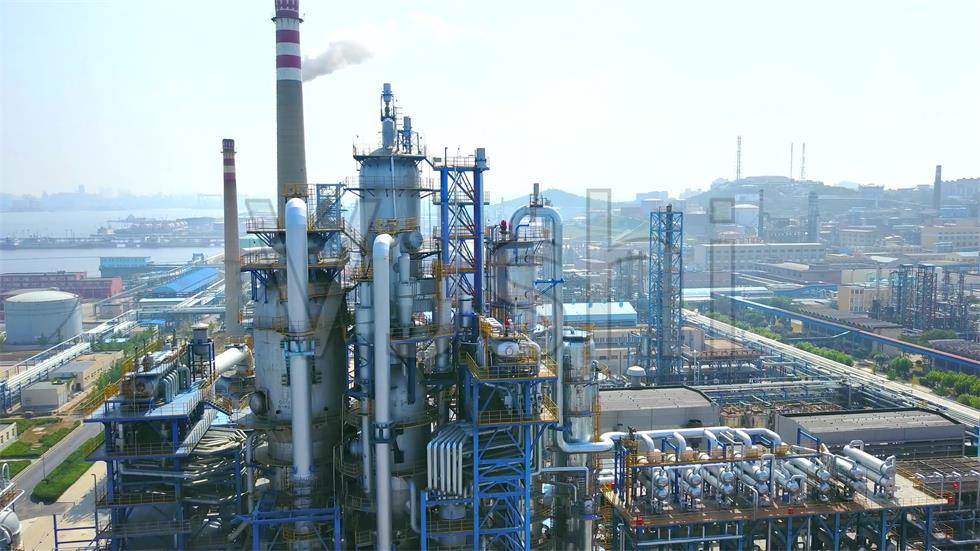
Synthetic ammonia refers to ammonia (NH₃) produced through industrial chemical processes, most commonly via the Haber–Bosch process, in which nitrogen (N₂) from the air reacts with hydrogen (H₂) under high temperature and high pressure in the presence of a catalyst.
The basic reaction is:
N₂ + 3H₂ ⇌ 2NH₃
Synthetic ammonia is one of the most important products of the chemical industry. It is primarily used in the production of nitrogen fertilizers (such as urea, ammonium nitrate, and ammonium sulfate), and it also serves as a key raw material for manufacturing nitric acid, explosives, synthetic fibers, plastics, and other chemical products.