Date: 2017-08-30
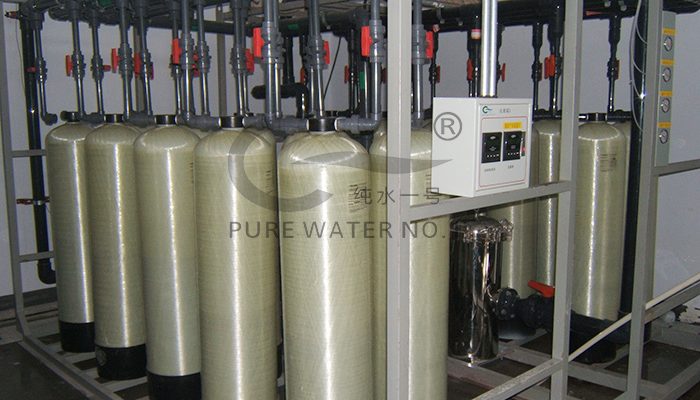
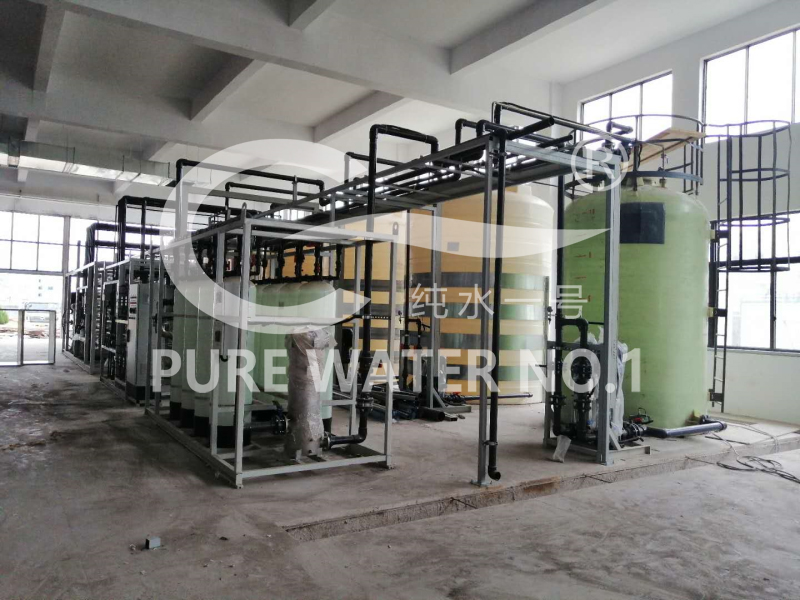
Project Name: Shanxi Lu’an Polysilicon Purification Water Treatment Project
Location: Changzhi City, Shanxi Province
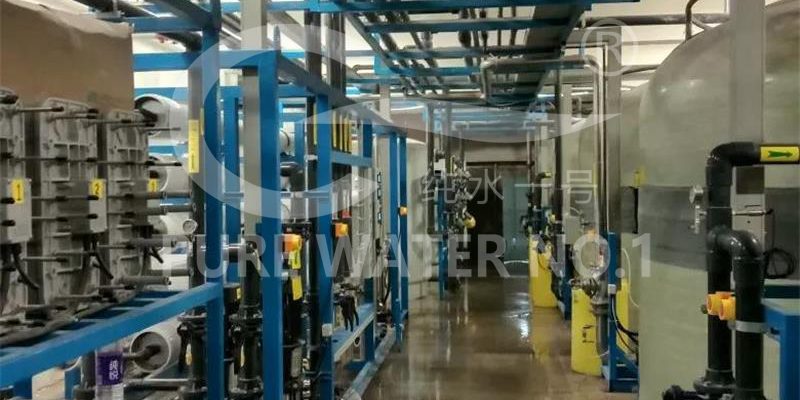
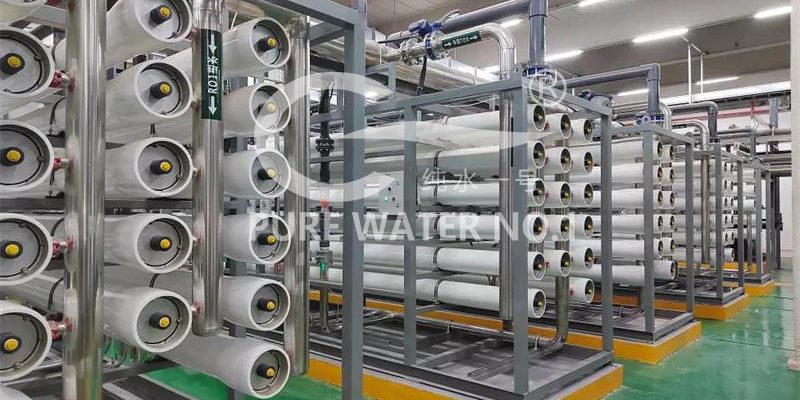
System Process: MMF + ACF + 2RO + EDI + SMB
Production Capacity: 25 $m^3/h$
Water Quality Standard: Resistivity $\ge$ 18 $M\Omega \cdot cm$ (@ 25°C)
Lu’an Group is one of the five major coal enterprise groups in Shanxi. Its predecessor, the Lu’an Mining Bureau, was established in January 1959. In August 2000, it was restructured into the Lu’an Mining (Group) Co., Ltd. It serves as a vital national production base for high-quality thermal coal and pulverized coal for injection (PCI).
In 2007, Lu’an restructured the former Xinjiang Hami Coal Industry (Group) Co., Ltd. to establish Lu’an Xinjiang Coal Chemical (Group) Co., Ltd. In 2010, it restructured the Shanxi Tianji Coal Chemical Group, evolving into a cross-regional, multi-industry modern enterprise group.
Since the beginning of the “13th Five-Year Plan,” Lu’an Group has deeply implemented the central and provincial government’s decisions on supply-side structural reform. Focusing on the clean, efficient utilization of coal and high-end transformation, the group established a “1+3″ industrial layout:
“1”: Focusing on the development of the competitive coal-based foundational industry.
“3”: Vigorously cultivating three emerging sectors:
Modern high-end coal chemical industry (marked by coal-based fine chemicals).
Green biological health industry (centered on oil peonies).
Modern financial industry (aiming to create “Lu’an Capital”).
By prioritizing quality, efficiency, and technological innovation, the group pursues a path of differentiation, large-scale operations, and internationalization. Lu’an is committed to winning the battle of coal supply-side reform, striving to become a model for independent innovation and circular development, and building a globally competitive clean energy brand.
Key Figures (2016):
Coal Production: 74.3296 million tons.
Operating Revenue: 161.636 billion RMB.
Profit: 210 million RMB (marking a recovery after four years of decline since 2012).
Corporate Scale: 169 subsidiary companies (including one listed company: Lu’an Environmental Energy Dev. Co., Ltd.) and nearly 100,000 employees.
Rankings: * Fortune Global 500: 370th
China Energy Enterprises Top 500: 20th
China Coal Enterprises: 6th
Shanxi Enterprises Top 100: 3rd
For your reference, here is a breakdown of the technical process mentioned:
MMF: Multi-Media Filter
ACF: Activated Carbon Filter
2RO: Two-stage Reverse Osmosis
EDI: Electrodeionization
SMB: Secondary Mixed Bed (Polishing)
Project Location: Changzhi City, Shanxi ProvinceSystem process: MMF+ACF+2RO+EDI+SMBDate: 2017-08-30
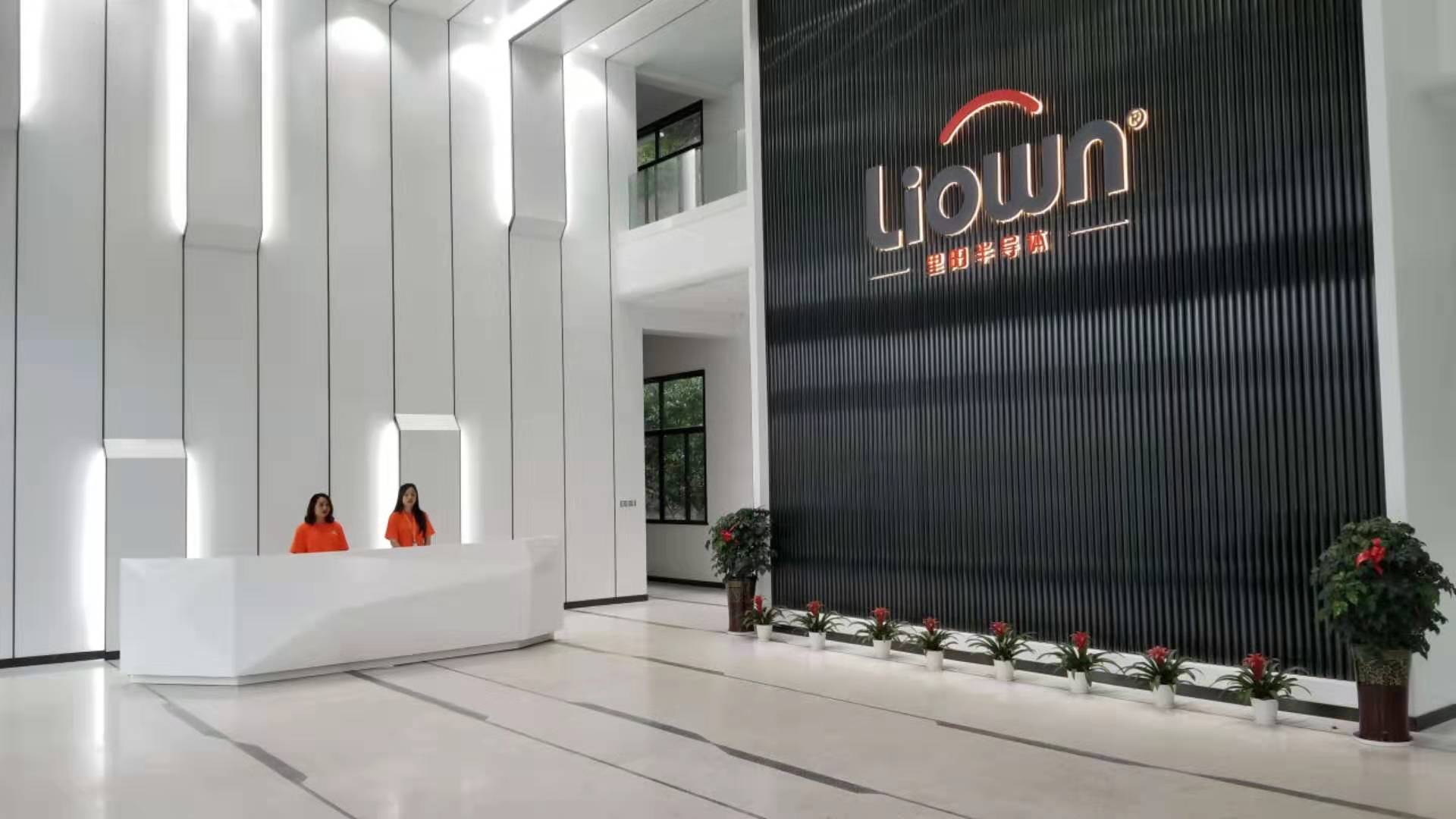
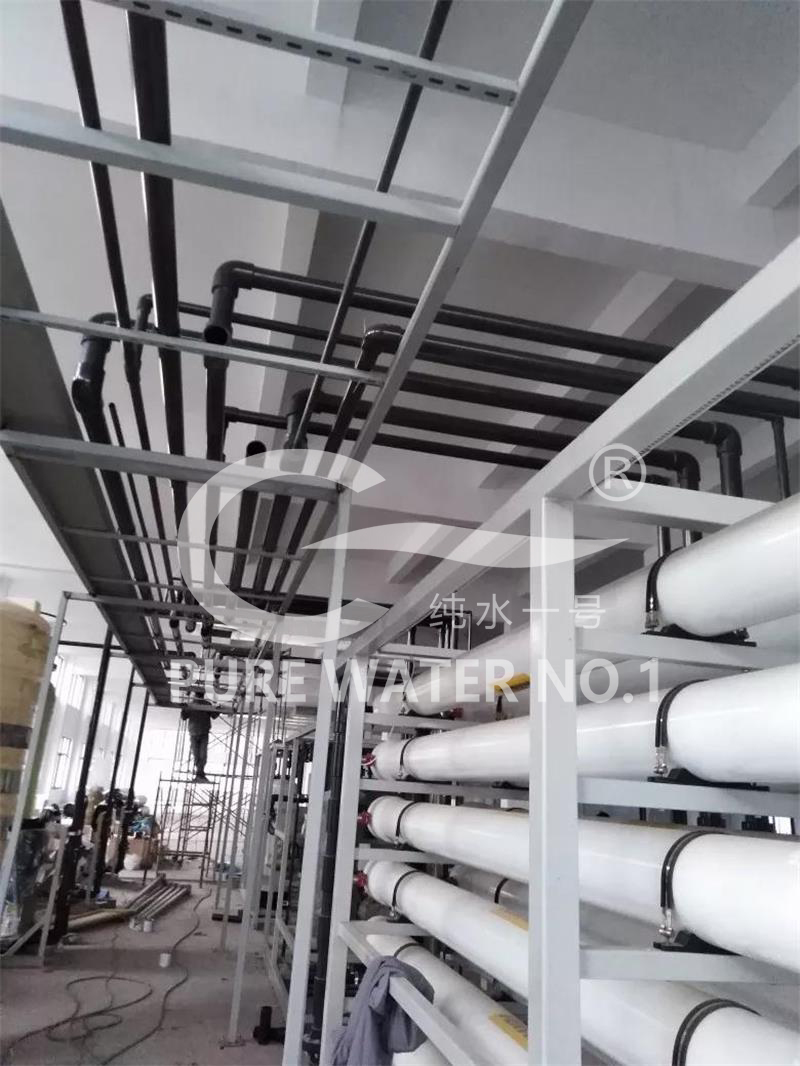
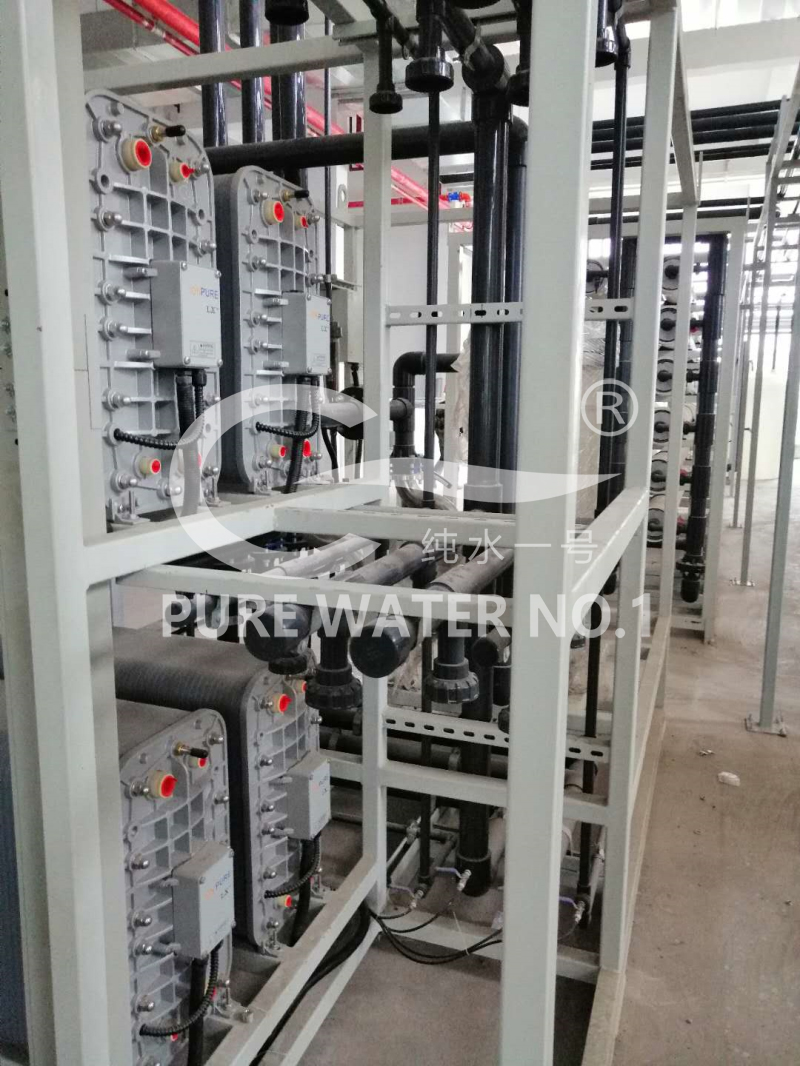
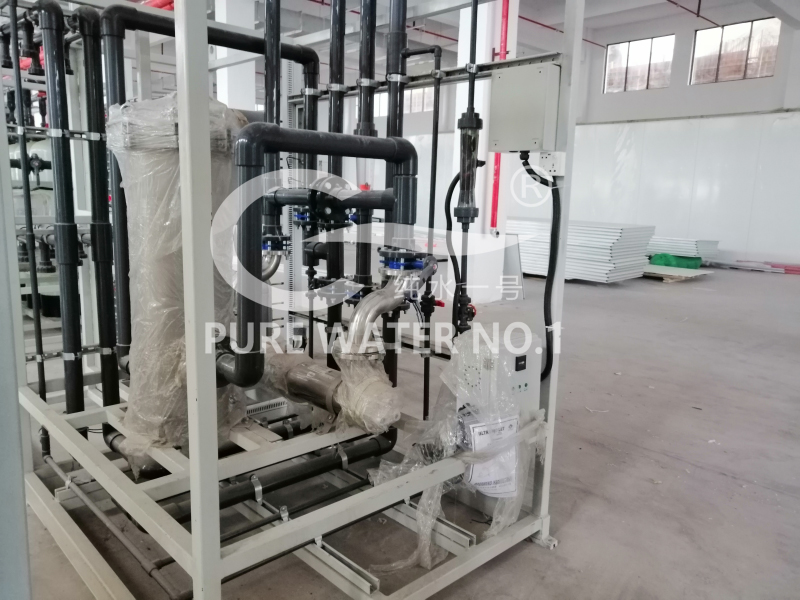
Project Introduction: Liownsemi is a leading Integrated Device Manufacturer (IDM) in the power semiconductor industry and a recognized National High-Tech Enterprise. The company specializes in high-performance power devices, including Thyristors, Rectifiers with ultra-low forward voltage drop, TVS, and ESD, as well as protection products such as MOV, GDT, and TSS.
Liownsemi boasts a comprehensive digital R&D, manufacturing, and production management system, with industry-leading process technologies. Their products are widely utilized in communication systems, computing, consumer electronics, smart home appliances, lighting, automotive power management, and intelligent security sectors.
The founder of Liownsemi, who also established Liown Electronics, brings over 20 years of expertise in product R&D and manufacturing. With over 1,000 invention patents worldwide, their products have a strong presence in high-end retail stores and e-commerce platforms across Europe and the Americas, providing end-to-end technical solutions and unique partnership models for global clients. The Liown brand has earned a prestigious reputation in the international market, supported by a global business network that delivers fast and attentive service.
The core team at Liownsemi consists of veteran scientists and engineers, most of whom have over 15 years of experience in key positions at international semiconductor firms. The company places a high priority on R&D, quality control, and production efficiency, supplying stable and reliable products to a global premium clientele.
Guided by the philosophy of “Technological Foundation and Product Excellence,” Liownsemi is dedicated to developing cutting-edge industry technologies. By continuously attracting top-tier scientific and engineering talent from around the world, Liownsemi strives to provide the highest quality, most reliable, and most competitive power semiconductor devices to its global customers.
The ultrapure water (UPW) treatment system for Liownsemi was designed and provided by Shenzhen Pure Water No.1 Technology Co., Ltd.
Date: 2022-10-13
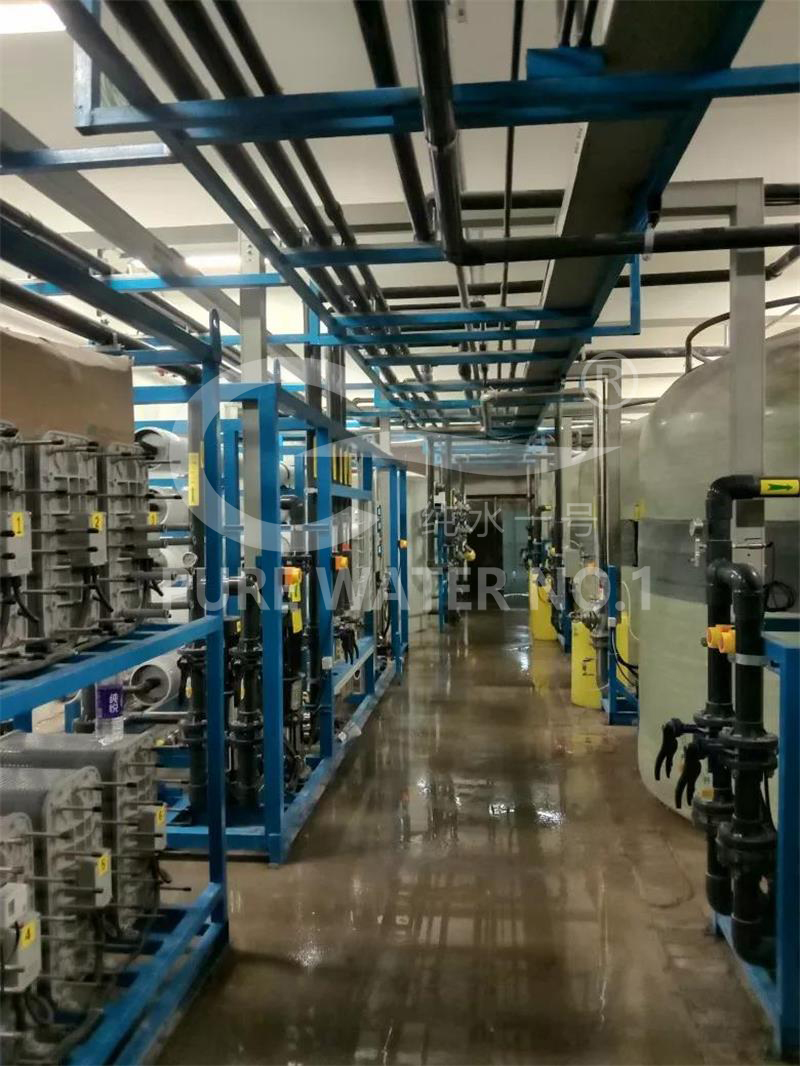
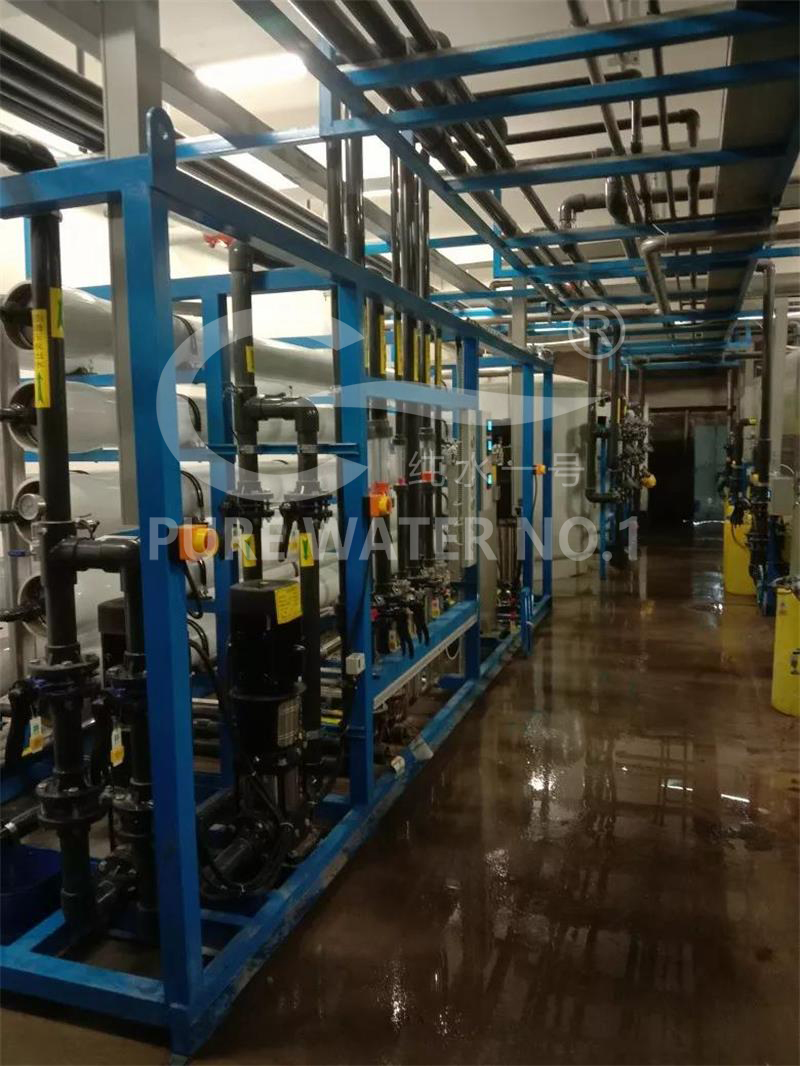
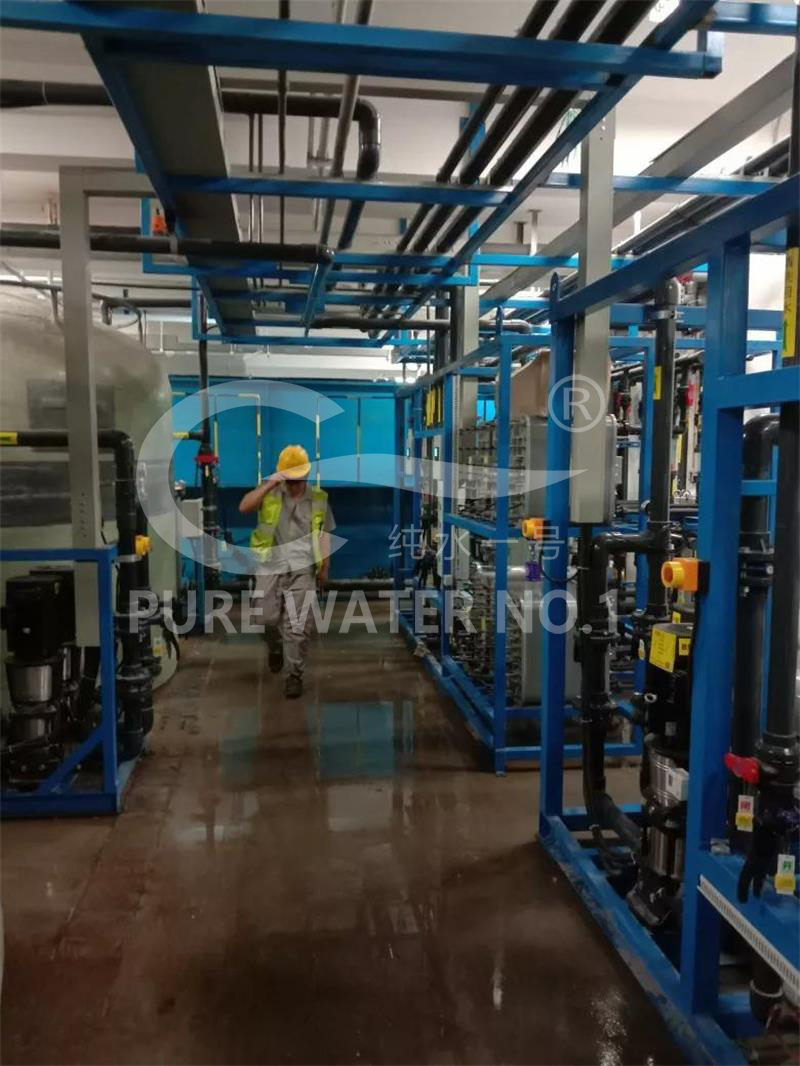
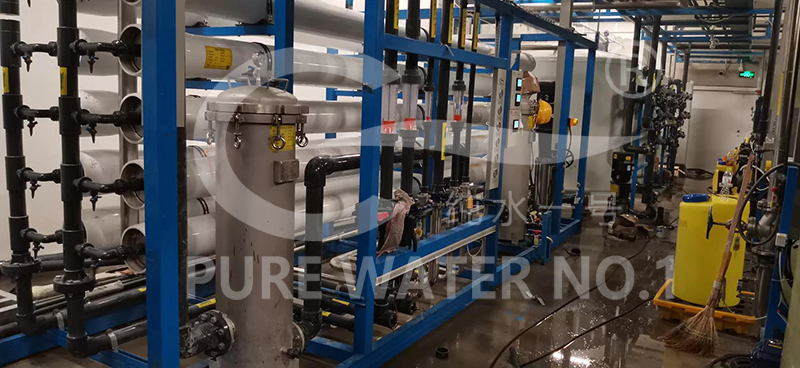
Goertek Microelectronics Co., Ltd. was established in October 2017, formerly known as the Microelectronics Business Group of Goertek Inc. It was renamed Goertek Microelectronics Co., Ltd. in January 2021. The company is a semiconductor company primarily engaged in the R&D, production, and sales of MEMS devices and microsystem modules. Its business covers key links in the industry chain, including chip design, product development, packaging and testing, and system applications, providing customers with one-stop product solutions of “chip + device + module”. The company’s main products include MEMS sensors and microsystem modules, which are widely used in consumer electronics fields such as smartphones, smart wireless headphones, tablets, smart wearable devices, and smart home devices, as well as automotive electronics.
Date: 2022-10-13
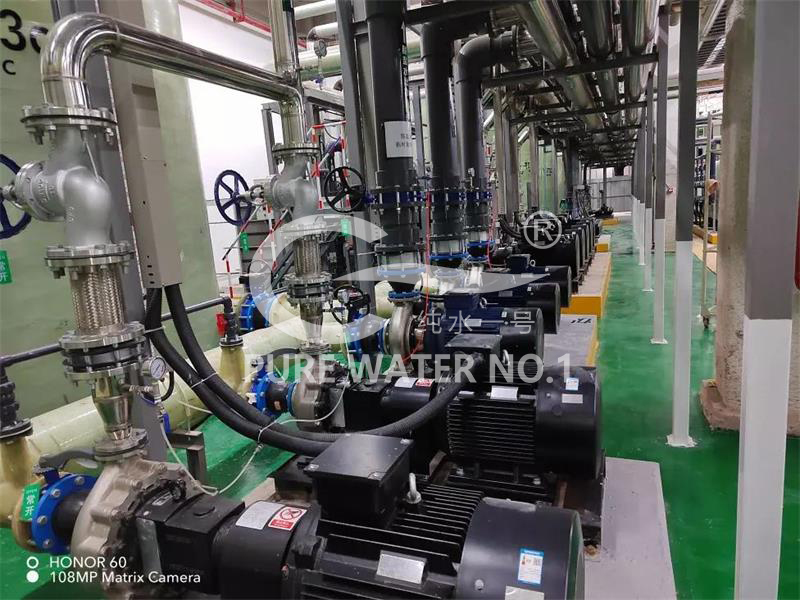
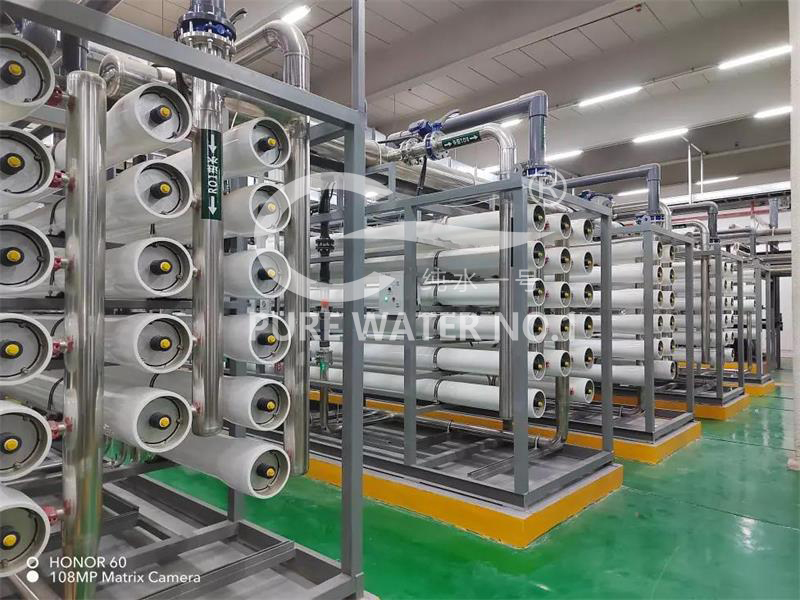
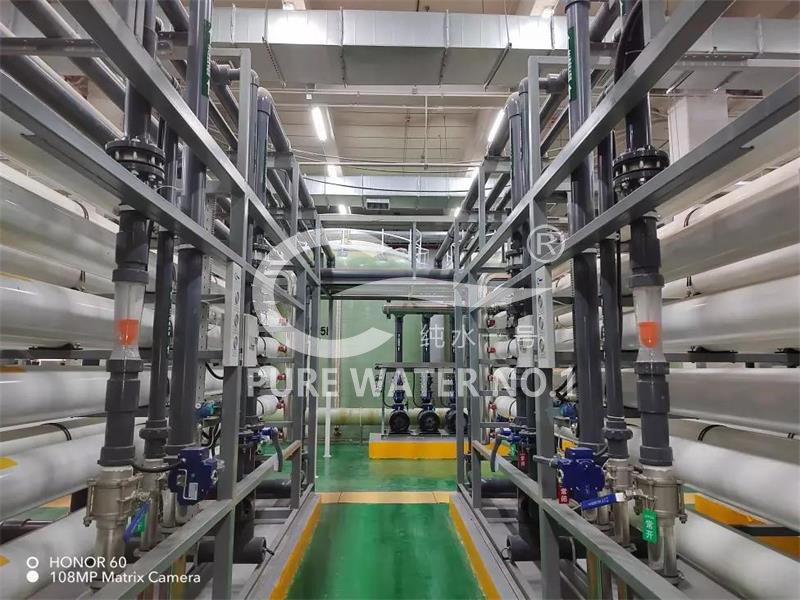
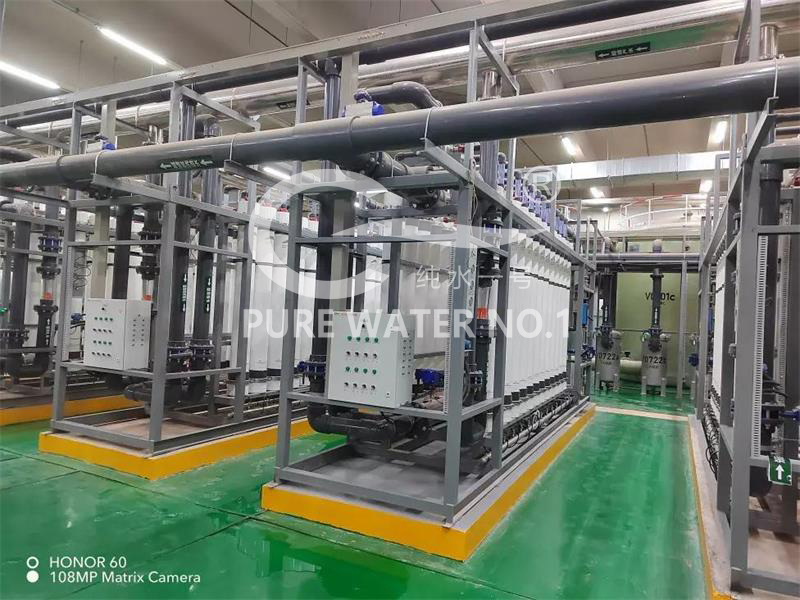
After 20 years of development, the company has formed a complete circular economy industrial chain integrating new energy and chemicals, from “brine, caustic soda, and polyvinyl chloride to carbide slag cement” and from “hydrogen chloride and trichlorosilane to polysilicon new energy.” It owns subsidiaries such as Yongxiang Polysilicon, Yongxiang New Energy, Yongxiang Energy Technology, Inner Mongolia Tongwei, Yunnan Tongwei, Yongxiang Silicon Materials, Yongxiang Photovoltaic Technology, Yongxiang New Materials, and Tongwei Green Energy, employing over 7,000 people. Its products include high-purity polysilicon, monocrystalline silicon rods, caustic soda, polyvinyl chloride, and cement made from the comprehensive utilization of carbide slag. By the end of 2021, its high-purity polysilicon production capacity exceeded 180,000 tons.Sichuan Yongxiang Co., Ltd. was established in November 2002. It is a large-scale private technology enterprise under Tongwei Co., Ltd. (stock code: 600438), which is controlled by Tongwei Group, with a registered capital of 1.421 billion yuan.
Date: 2021-12-07
The Role of Efficient Cooling Systems in High-Performance Servers
In today’s data-driven world, high-performance servers play a crucial role in powering industries that rely on large-scale computing, such as artificial intelligence (AI), cloud computing, and big data analytics. These servers process immense amounts of data, often running complex algorithms and workloads that demand significant computational power. However, with great power comes great heat, and managing that heat is a critical challenge. Efficient cooling systems are essential to ensure optimal performance, prevent overheating, and extend the lifespan of these high-performance servers. In this article, we will explore the importance of efficient cooling systems in high-performance servers and how they contribute to system stability, energy efficiency, and sustainability.
High-performance servers generate large amounts of heat as they process vast amounts of data. Without a cooling system, the temperature within the server can rise to levels that could cause thermal throttling, reduced performance, and even permanent damage to sensitive components like processors, memory, and hard drives. Cooling systems, therefore, play an essential role in keeping server temperatures within safe operating ranges, allowing these systems to perform optimally without the risk of failure.
Moreover, as server workloads continue to become more intensive—thanks to the rise of AI, machine learning, and big data applications—cooling systems must become more sophisticated and efficient to keep pace with increasing demand. This is where efficient cooling technologies come into play, offering innovative solutions to keep servers running at peak performance.
Effective cooling is directly linked to the overall performance of high-performance servers. Servers designed for AI and high-performance computing (HPC) require the processing of complex tasks that generate substantial amounts of heat. If cooling systems are insufficient, heat can build up within the server, causing the hardware to slow down, throttle, or even shut down to prevent damage.
By maintaining a controlled environment with optimal cooling, servers can continue to operate at full capacity, ensuring that critical tasks—whether running deep learning models, handling large-scale simulations, or performing real-time analytics—are processed efficiently. Efficient cooling systems help to avoid thermal throttling and maintain consistent, high-speed performance, which is crucial for industries relying on real-time or data-intensive workloads.
Cooling systems are often one of the largest consumers of energy in a data center. In fact, according to studies, cooling can account for up to 40% of a data center’s total energy consumption. As high-performance servers demand more processing power, they also require more cooling, which can significantly increase energy costs.
Efficient cooling systems, such as liquid cooling, ultra-pure water (UPW) systems, and advanced air cooling technologies, reduce the amount of energy needed to maintain a server’s optimal temperature. By using energy-efficient cooling methods, data centers can lower their overall energy consumption and reduce operational costs. For instance, liquid cooling systems can transfer heat more efficiently than traditional air cooling methods, meaning less energy is required to cool the servers, leading to substantial energy savings over time.
Several cutting-edge cooling technologies have been developed to meet the growing demands of high-performance servers. These systems offer higher efficiency, reduced energy consumption, and better heat management than traditional cooling methods.
As sustainability becomes an increasing priority for businesses and industries, data centers are under pressure to reduce their environmental footprint. Cooling systems are a major contributor to a data center’s overall energy consumption, and inefficient cooling can lead to high electricity usage, increased carbon emissions, and significant water waste.
Efficient cooling systems help reduce a data center’s environmental impact in several ways:
As technology continues to evolve and AI applications grow in complexity, the cooling systems used in high-performance servers will need to adapt. Future trends in server cooling include:
Efficient cooling systems are critical for the stable operation and long-term performance of high-performance servers. As AI, big data, and other resource-intensive applications continue to push the boundaries of computing power, cooling technologies must evolve to keep up. By implementing advanced, energy-efficient, and sustainable cooling solutions, businesses can not only enhance the performance of their servers but also reduce operational costs, energy consumption, and environmental impact.
In a world where computational demands are continuously increasing, the role of efficient cooling systems in high-performance servers will remain pivotal, ensuring that these systems continue to operate at peak performance, driving innovation, and contributing to the success of data-intensive industries.
As artificial intelligence (AI) technologies continue to grow in importance, the need for cutting-edge data centers that can handle the immense processing power required for AI workloads has never been greater. AI data centers are not only expected to provide massive computing capabilities but also operate efficiently, reliably, and sustainably. Ultra-pure water (UPW) systems are becoming an integral part of modern AI data centers, offering a revolutionary approach to cooling systems, improving performance, energy efficiency, and environmental sustainability.
Ultra-pure water, or ultra-purified water (UPW), is water that has undergone extensive filtration processes to remove nearly all contaminants, including salts, minerals, bacteria, and organic compounds. In AI data centers, ultra-pure water is primarily used in liquid cooling systems that manage the high heat output generated by powerful servers running AI algorithms and data processing tasks. The critical nature of UPW in maintaining optimal temperatures cannot be overstated, as it ensures that cooling systems function with maximum efficiency and contribute to the long-term reliability of essential infrastructure.
AI applications, particularly deep learning models and machine learning algorithms, are extremely resource-intensive. These workloads demand enormous computational power, and the servers that run them generate significant amounts of heat. Without effective cooling, these systems risk overheating, resulting in slower processing speeds or even system failure.
This is where ultra-pure water plays a vital role. In advanced liquid cooling systems, ultra-pure water circulates through heat exchangers or cold plates, absorbing and dissipating the heat generated by servers. Unlike traditional air cooling systems, which are relatively ineffective at removing heat, UPW systems allow for better heat transfer due to the higher thermal conductivity of water. As a result, liquid cooling ensures the servers stay at optimal temperatures, preventing overheating and performance degradation.
Energy efficiency is a major concern for data centers, particularly as AI workloads become increasingly demanding. Cooling systems represent a significant portion of a data center’s total energy consumption. Optimizing these systems can lead to substantial cost savings and reduce environmental impact.
Ultra-pure water cooling systems are far more energy-efficient than traditional air conditioning methods. Water, as a superior conductor of heat, requires less energy to remove heat from servers than air-based cooling systems. Additionally, UPW systems operate at higher temperatures, reducing the need for energy-intensive cooling units like air conditioning. This leads to a more sustainable, lower-cost solution for AI data centers, ultimately driving down operational costs while maintaining high levels of cooling performance.
Sustainability is a key priority in modern data center operations. AI data centers, like other high-performance computing environments, are under increasing pressure to reduce their environmental footprint. Ultra-pure water cooling systems offer a sustainable and eco-friendly alternative to traditional cooling methods.
Unlike air conditioning, which often requires harmful refrigerants and chemicals, ultra-pure water cooling is a natural, non-toxic solution. UPW systems are typically closed-loop, meaning that water is continually recirculated, minimizing waste and conserving water resources. By replacing energy-hungry air conditioning with efficient liquid cooling, AI data centers can significantly reduce their carbon footprint and contribute to a more sustainable technological future.
For AI data centers that support mission-critical applications such as autonomous driving, healthcare analytics, and financial transactions, reliability is paramount. Ultra-pure water cooling systems offer a high level of precision, ensuring that data center equipment stays within the optimal temperature range, minimizing the risk of overheating and failures.
The purity of ultra-pure water also prevents corrosion and scale buildup that can otherwise clog pipes and cooling systems. With fewer impurities, UPW systems ensure consistent, long-lasting cooling performance, reducing the risk of costly downtime and equipment damage. This reliability is essential for mission-critical operations that require uptime and precision at all times.
As AI technologies evolve and data center workloads become more complex, the demand for high-performance cooling solutions will continue to grow. Ultra-pure water cooling systems offer the scalability necessary to meet these future challenges. Whether for emerging AI hardware such as quantum computers or the need to cool larger-scale data center infrastructures, UPW cooling systems can be easily adapted to suit new technologies.
AI data centers that integrate ultra-pure water cooling are well-positioned to future-proof their operations, ensuring that their infrastructure can handle the increasing cooling demands of tomorrow’s high-performance computing systems.
Ultra-pure water is revolutionizing AI data centers by offering a highly efficient, sustainable, and reliable solution for cooling high-performance computing systems. From improved energy efficiency and reduced environmental impact to increased system reliability and precision, UPW is transforming how data centers handle the extreme cooling needs of AI workloads.
As AI continues to push the boundaries of computing, ultra-pure water will undoubtedly play an even more crucial role in the future of data center cooling. By adopting ultra-pure water systems, AI data centers not only optimize their cooling performance but also contribute to a more sustainable, efficient, and future-ready infrastructure. The integration of UPW cooling is essential for any data center looking to stay ahead in the fast-evolving AI landscape.
Date: 2022-10-10
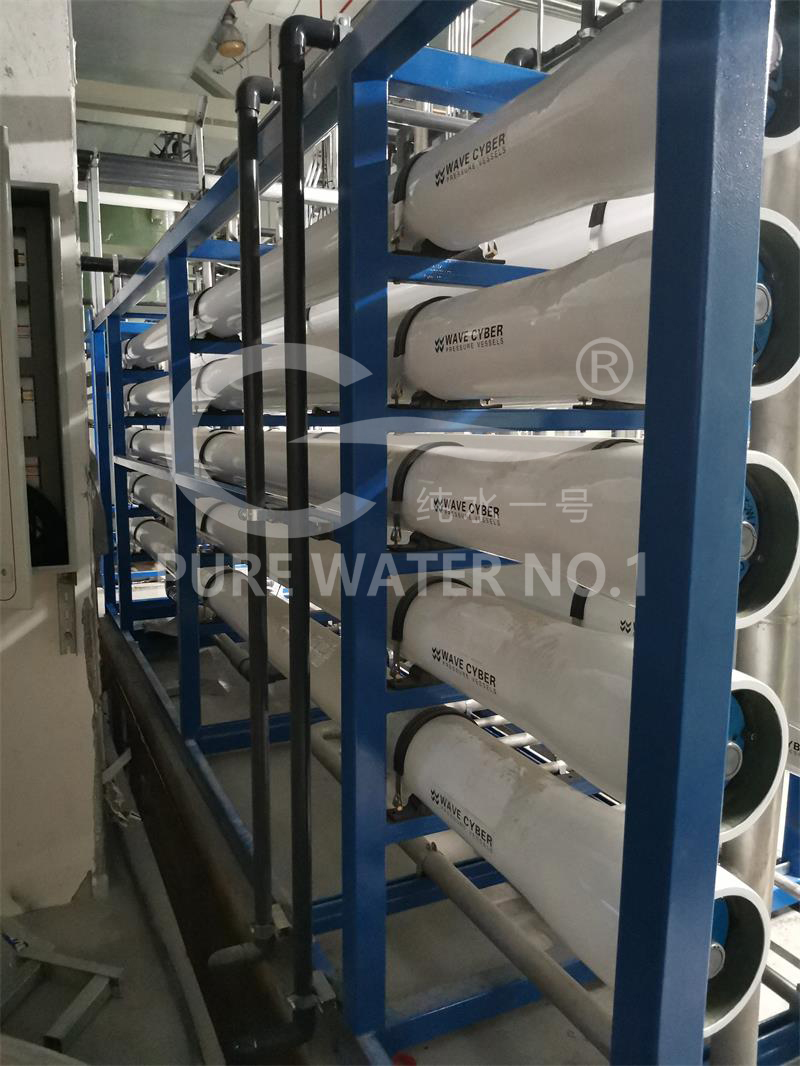
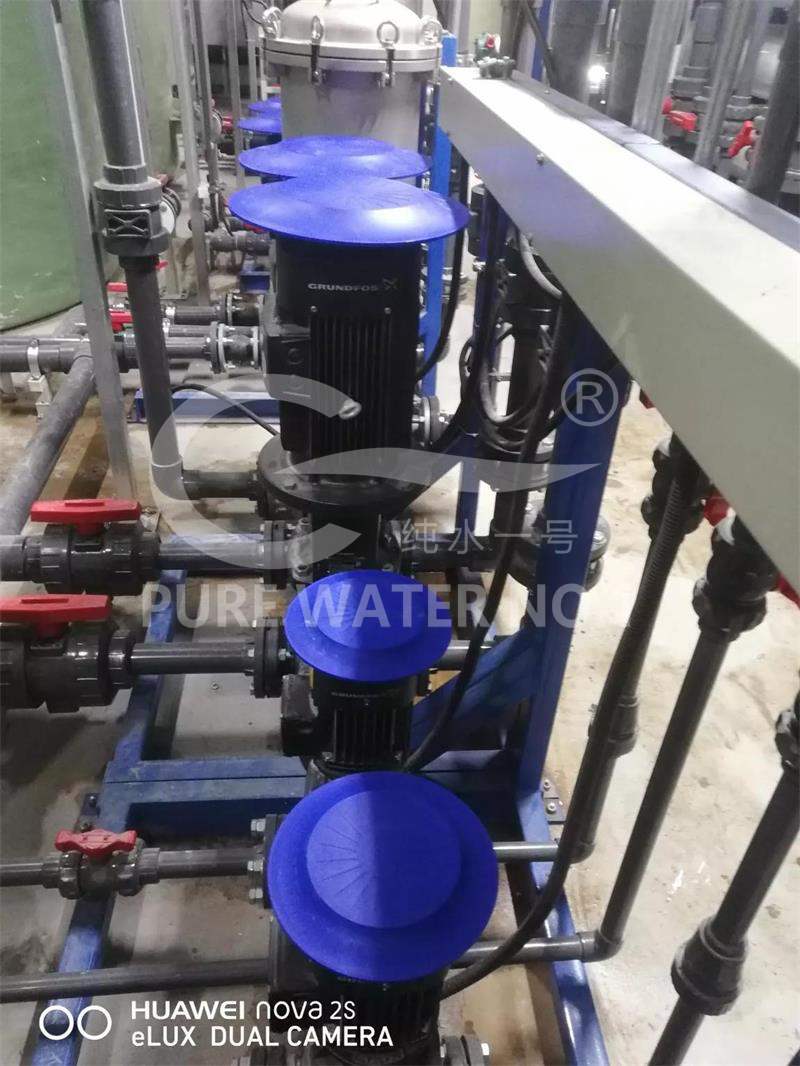
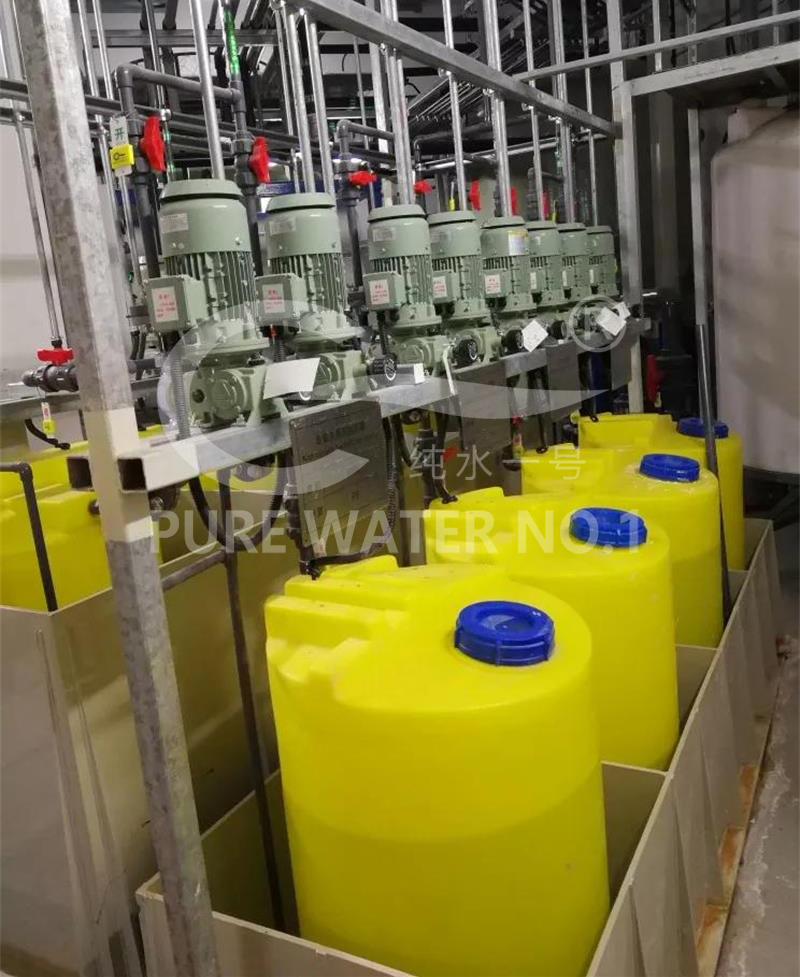
Huawei was founded in 1987 and is a global leader in providing ICT (Information and Communication Technology) infrastructure and smart devices. Currently, Huawei has approximately 195,000 employees, with its business spanning more than 170 countries and regions, serving over 3 billion people worldwide.
Huawei is committed to bringing the digital world to every person, home, and organization, building a fully connected, intelligent world: making ubiquitous connectivity a right for all, serving as the premise and foundation for an intelligent world; providing diverse computing power for the world, making the cloud omnipresent and intelligence all-encompassing; empowering all industries and organizations to become agile, efficient, and vibrant through robust digital platforms; and redefining experiences with AI, allowing consumers to enjoy personalized, ultimate smart experiences across all scenarios, including smart homes, mobility, office, audio-visual entertainment, and fitness & health.
The Huawei Chip Ultra-Pure Water Project in Dongguan is supplied by Shenzhen Purewater One Water Treatment Technology.

Pure Water No.1 is a premier ultrapure water equipment manufacturer supporting Design Firms and EPCs with cutting-edge solutions.